HERE YOU WILL FIND LINKS TO CURRENTLY RELEVANT PAGES (AND FAVORITES) FROM THE PAGES MENU:
TEACHING IN SALT LAKE: THE VIDEO
MILK IN THE AGE OF CONVENIENCE
LETTERS FROM INDIA: MARCH 2011
HERE YOU WILL FIND LINKS TO CURRENTLY RELEVANT PAGES (AND FAVORITES) FROM THE PAGES MENU:
TEACHING IN SALT LAKE: THE VIDEO
MILK IN THE AGE OF CONVENIENCE
LETTERS FROM INDIA: MARCH 2011
NEXT UP:
OCT 31-NOV 11: SALT LAKE CITY
10 DAYS OF YOGA, AYURVEDA, CONSULTS, MRS 2000+, TREATMENTS & MARMA ON THE MAT
NOV 28: SIVANANDA CENTER: LOS ANGELES
SVATANTRA in Two Parts: Lecture & Practicum
Contact: 310-822-YOGA (9642)
DEC 11-12: AYURVEDA MODULE FOR LMU YOGA Rx LEVEL II: Details to follow…
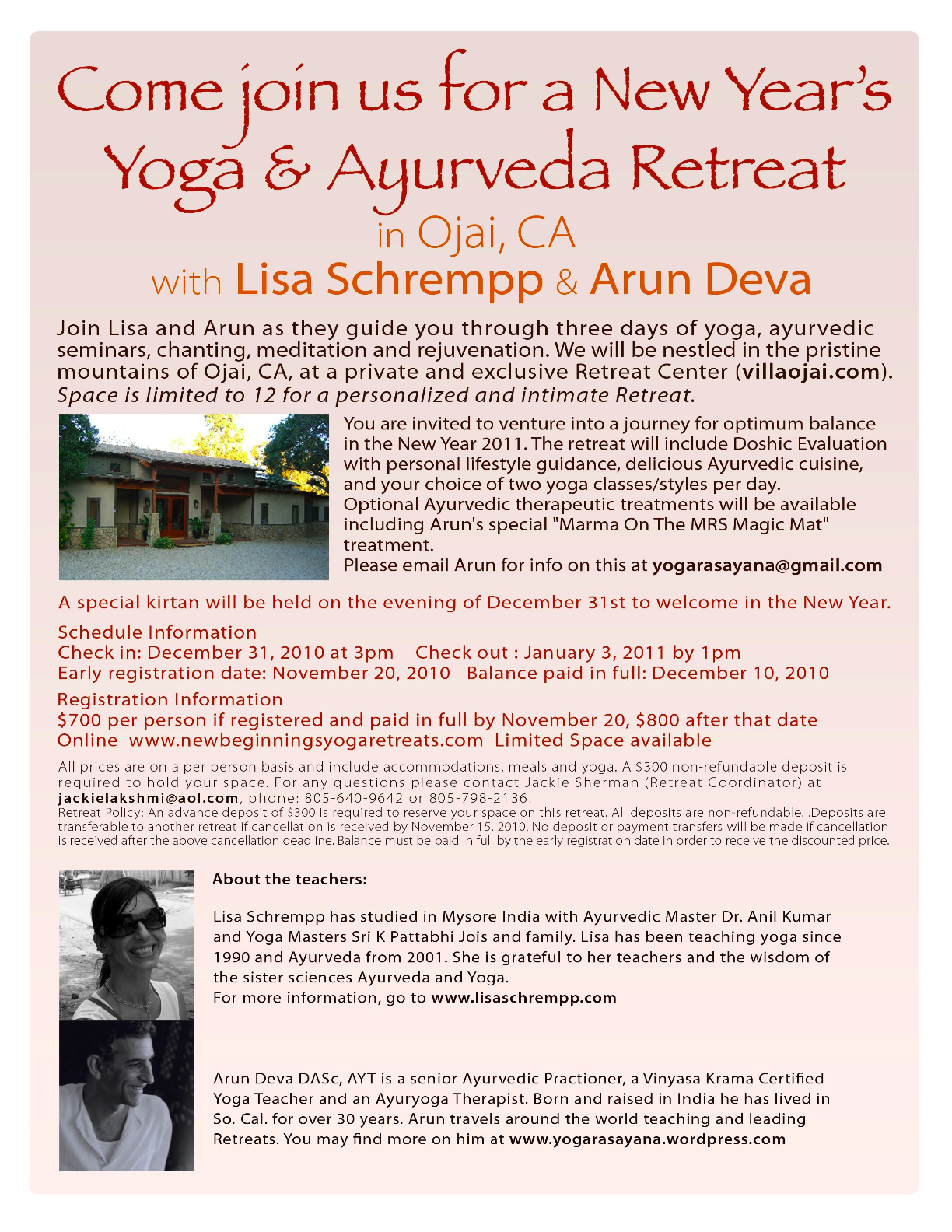
NEW YEARS RETREAT! OJAI DEC 31-JAN 3
——————————————————————————————————————————————————–
RECENT PAST EVENTS:
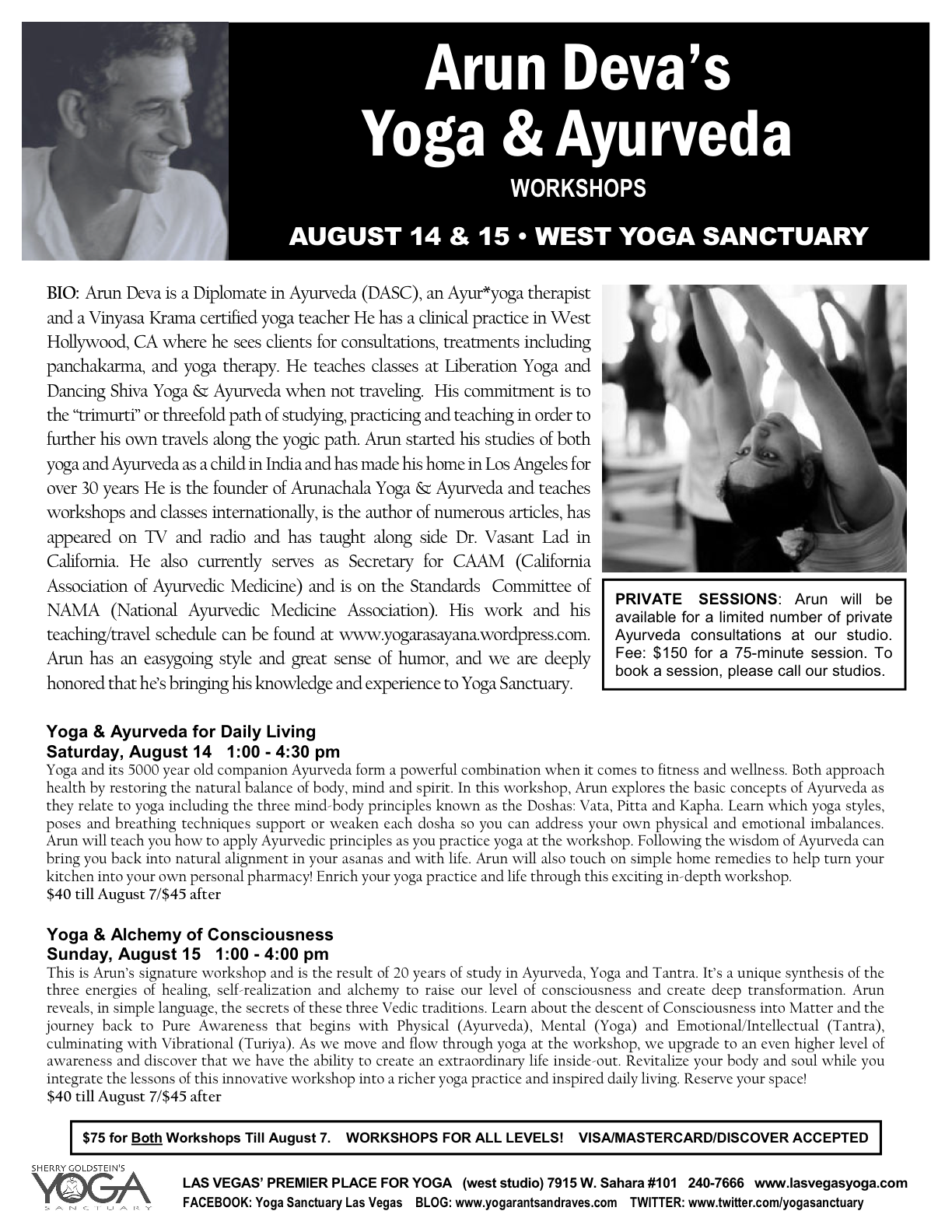
SATURDAY & SUNDAY: AUGUST 14-15:
YOGA & AYURVDEDA IMMERSION:
YOGA SANCTUARY LAS VEGAS!

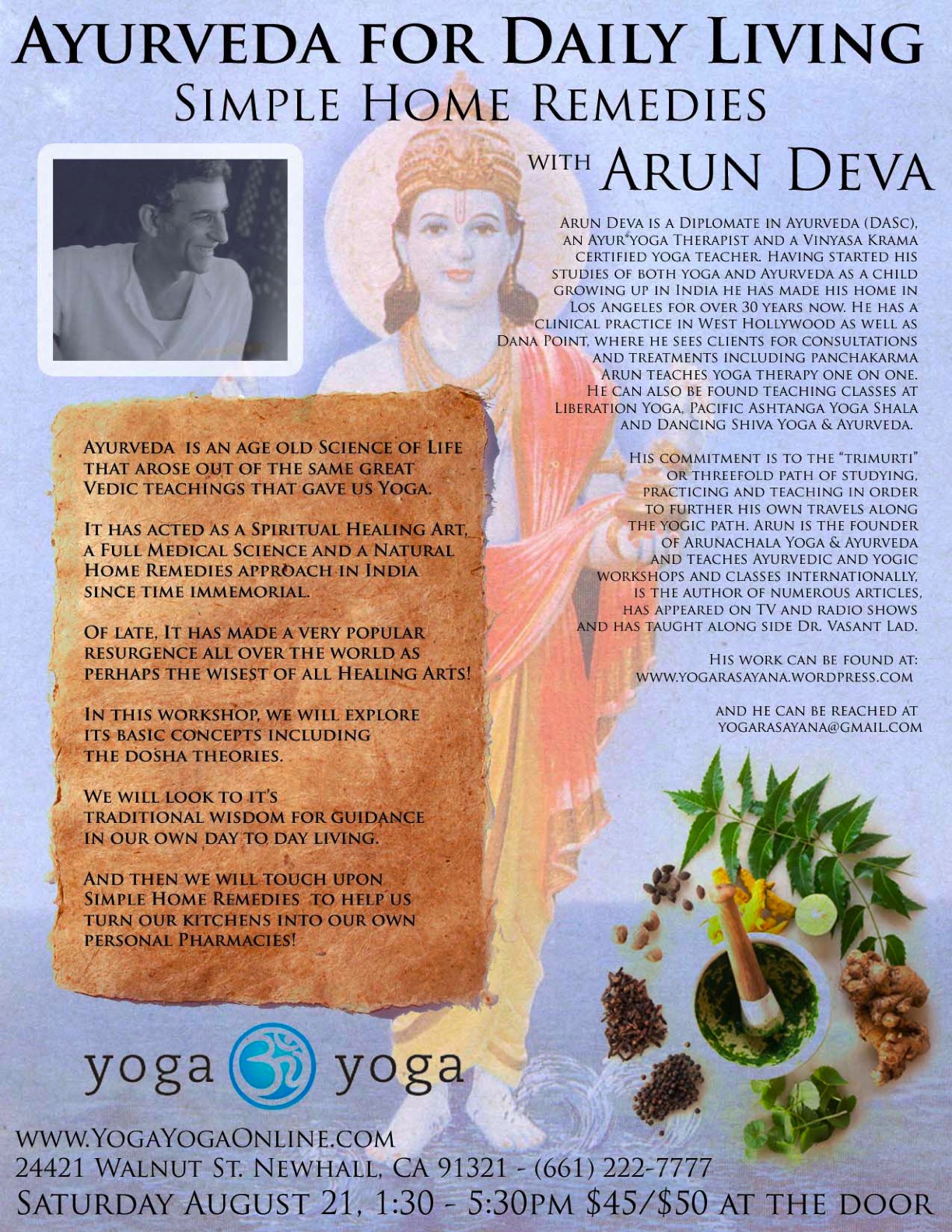
Saturday August 21: Ayurveda For Daily Living: Yoga Yoga, Newhall, CA
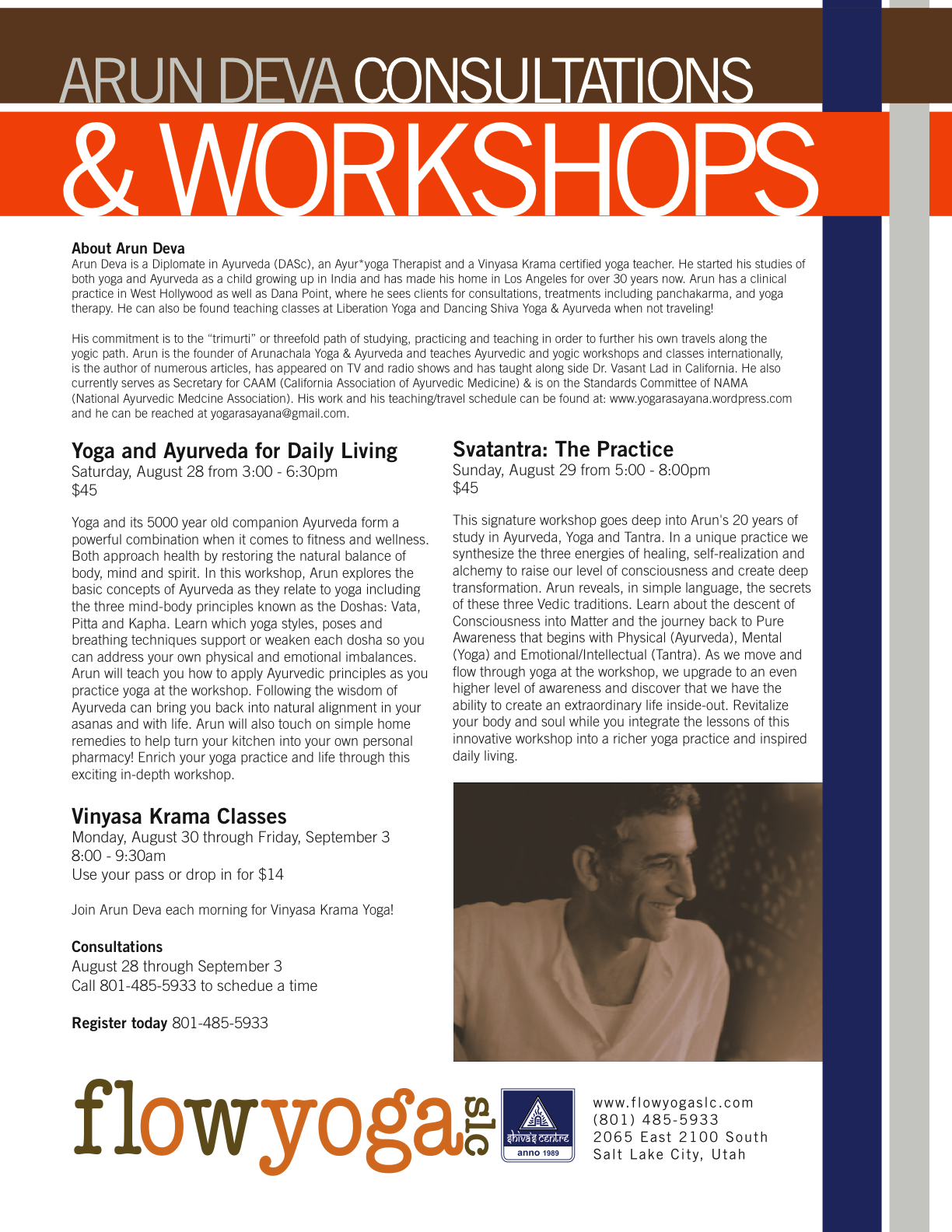
AUGUST 28-SEPTEMBER 3:
BACK IN SALT LAKE CITY!
CONSULTATIONS, WORKSHOPS & VINYASA KRAMA CLASSES
SEPTEMBER 4-6 LABOR DAY WEEKEND:
UINTAS DESERT RETREAT:
SEPTEMBER 11: SVATANTRATA: THE SACREDNESS OF BEING: PRIVATE WORKSHOP: ENCINITAS
CALL JUTTA HECHT AT 760-580-2524 FOR INFORMATION
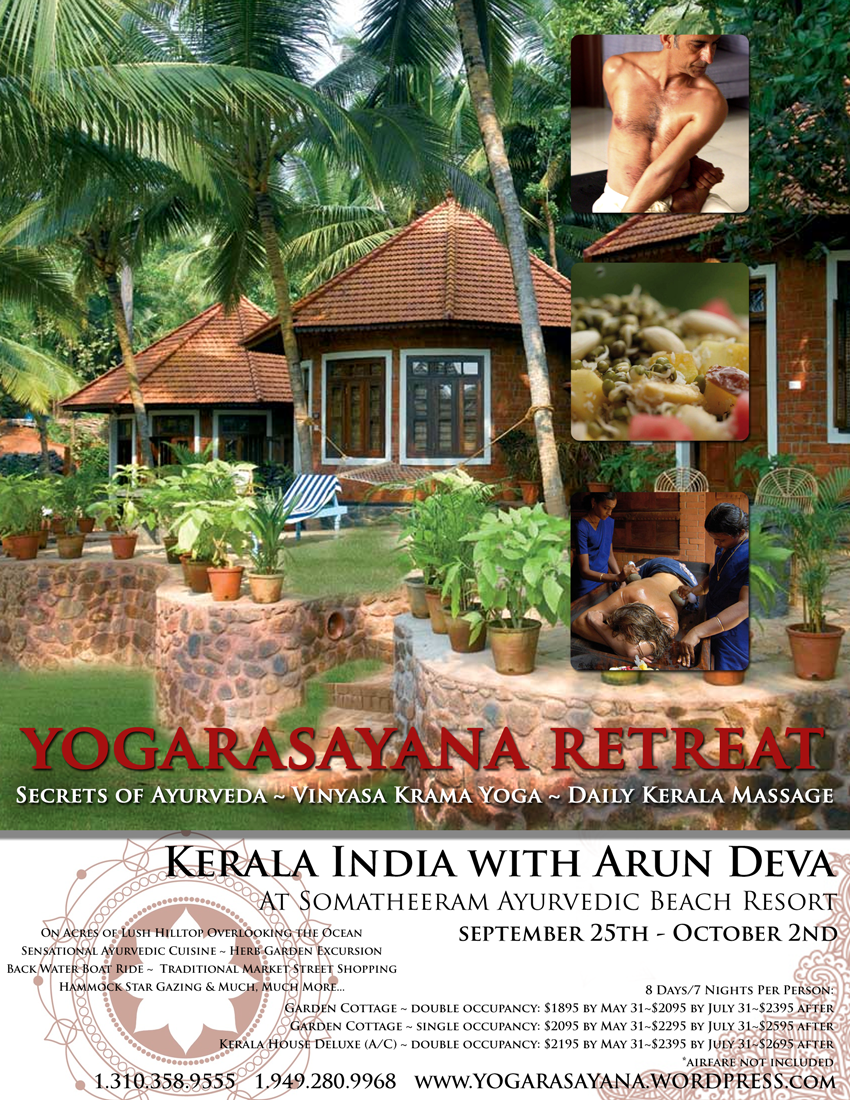
SEPTEMBER 25-OCTOBER 2:
INDIA RETREAT!
UPDATE OCT 9, 2010…FROM THE ROAD:
In Chennai, India
Oct 10: New Delhi
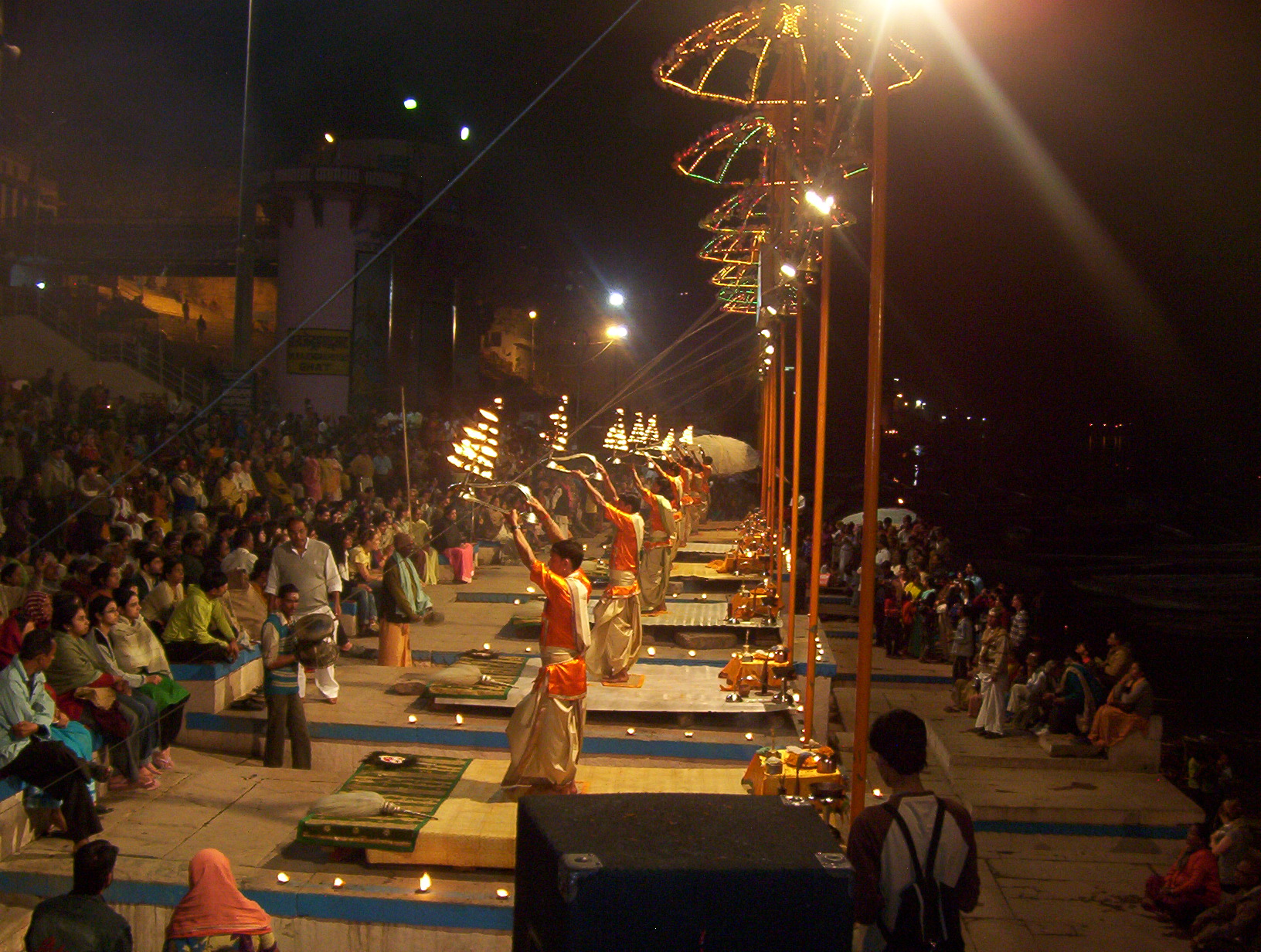
Oct 17: Varanasi
Oct 22: Rishikesh
Oct 26: Los Angeles
Coming up in Nov/Dec: More Salt Lake City & a workshop at Sivananda Ashram, Venice, CA!
Hot off the Press! New Years Retreat in Ojai!!! Ayurveda, Yoga, Hanuman & Chanting! Stay tuned or write in now for details and to book your spot: jackielakshmi@aol.com

Please see end of article for workshop locations, details…
In the eight limbs of raja yoga, the panchva (fifth) anga is pratyahara. Literally translated as “withdrawal of the senses”, we are left with an image that is limited in its meaning.
In fact, it is better to classify it as “double-pointed” vision. We need our senses directed outwards to negotiate our pathway through the myriad experiences they bring us. Pratyahara would then be about simultaneously looking inwards to integrate those experiences!

Pratyahara: Inner perception...
What we find within is the world of perception. Perceptions are driven by energetic forces so deeply buried within our psyche, that they manifest first as emotional responses, then mental activity and finally physical reactions.
By bringing our attention to these perceptive states, we give ourselves an opportunity to research our own nature and trace it backwards through the various layers that we are, to a place where we come face to face with the Truth of us: this is Svatantra!
This journey began for me personally some years ago when I fell critically ill. Therefore, my journey began at the physical level. Ayurveda seemed the most appropriate tool at that time.
Since Ayurveda sees us as dosha, dhatu, mala and agni, that is what I worked with: settling the winds, fires and waters of my physical being. This included building bodily tissues, firing up my digestion and intellect and paying proper respect to releasing toxins.

Reading the rhythms of the pulse
In time, I was able to deepen my self-study through the yogic vision of my anatomy- that of the chitta. It is very powerful to see ourselves as Mind and to pay heed to the various undercurrents that run through it!
Patanjali quantifies them as five vrttis: correct perception, incorrect perception, imagined perceptions, perceptions in our sleep state and perceptions that filter our memory banks. Not having the wisdom to “get it” right away, I found my work in the second chapter, sadhana pada.

sadhana...
Working with the eight limbs began to take me into heightened states of awareness but I also found that my life was still swaying precariously in tides.
And my physical being, the mirror that reflects what is truly happening underneath, was sending loud signals that there was still much work to be done.
I found the seeds of osteoarthritis, vata dushti in the blood and emotional clingings that could only be super-refined samskaras!
Continuing my practices in Ayurveda and Yoga as the stable ground upon which to build, I began to explore the meaning of Tantra.
What I found were many conflicting views on what it actually is and each person defining it seemed to speak with perfect authority!
What we do know is that tantrics are responsible for recognizing the chakra system as well as the 72,000 nadis we are said to be composed of.

contemplating the nadis...
So I knew that they were working at deeper energetic states and therefore the practice of pancha makara (a tantric practice) could be useful on my own journey.
To assimilate it with my now inbuilt models of yama and niyama, I preferred the virya pathway- that of seeing the value of the outer as well as the inner practices.
Next I began to seek the correlations between all these systems and found even more amazing Truths about our selves in the Upanishads.

swadhyaya leads to ishwarpranidhana...
Known as the Vedanta, they should not be thought of as “the ending of the Vedas” but as the unlocking of their coded secrets of who and what we are! Finding the pancha maya (later called koshas by Shankara, the 10th century bhakta and mystic) was another amazing revelation!
Everything seemed to be coming together to form a perfect mystic puzzle.
Yet, something was missing. I knew all the answers were contained in these wisdom writings but I did not have the key yet.
At this time, I entered a tenuous relationship that churned all my emotional undercurrents and regurgitated them to the surface of my consciousness.
When she left what I had become: a frightened child; she had handed me yet another key. It was a book.
What had been missing was in this book: something similar in substance to the Upanishads themselves.
When the Vedas were no longer comprehensible, the new breed of seers: rishis, captured their essence in the Upanishads.
Now, another new breed of rising seers were exploring the Alchemy of our Consciousness and the language it was being revealed in is the one we all speak!
The language of our urbanized and conflicted world.

meeting the urban world head on...
The missing link, for me, was the correlation between the vedic shariras and the Four Bodies we are: Vibrational, Emotional (where the urgent work is), Mental and Physical and I had found it.
One other, last key-link was still not connected: the concept of the ego did not match the Ahamkara of the ancient traditions.
But in the end, with subtle clues from this very book, from gleanings in Eckhart Tolle’s “New Earth” and finally a virtual explosion of in-sight at a lecture by my guru, that connection too was made! As much of an obstacle as it can become, when it re-cognizes buddhi, it is re-balanced into serving our well-Being instead of being our un-Doing...Ahamkara become the I-former not the I-doer…
meeting the collective ahamkara...
I am awed, overjoyed, humbled and nervous about this Universal Rise in Consciousness that is being expressed by so many of the Mayan elders, shamanic leaders, writers such as Jack Kornfield, Eckhart Tolle, Michael Brown; speakers like Marianne Williamson and Reverend Beckwith, alchemists like Dr. Svoboda and gurus like Dr. Vasant Lad. And there are more, growing in number everyday!
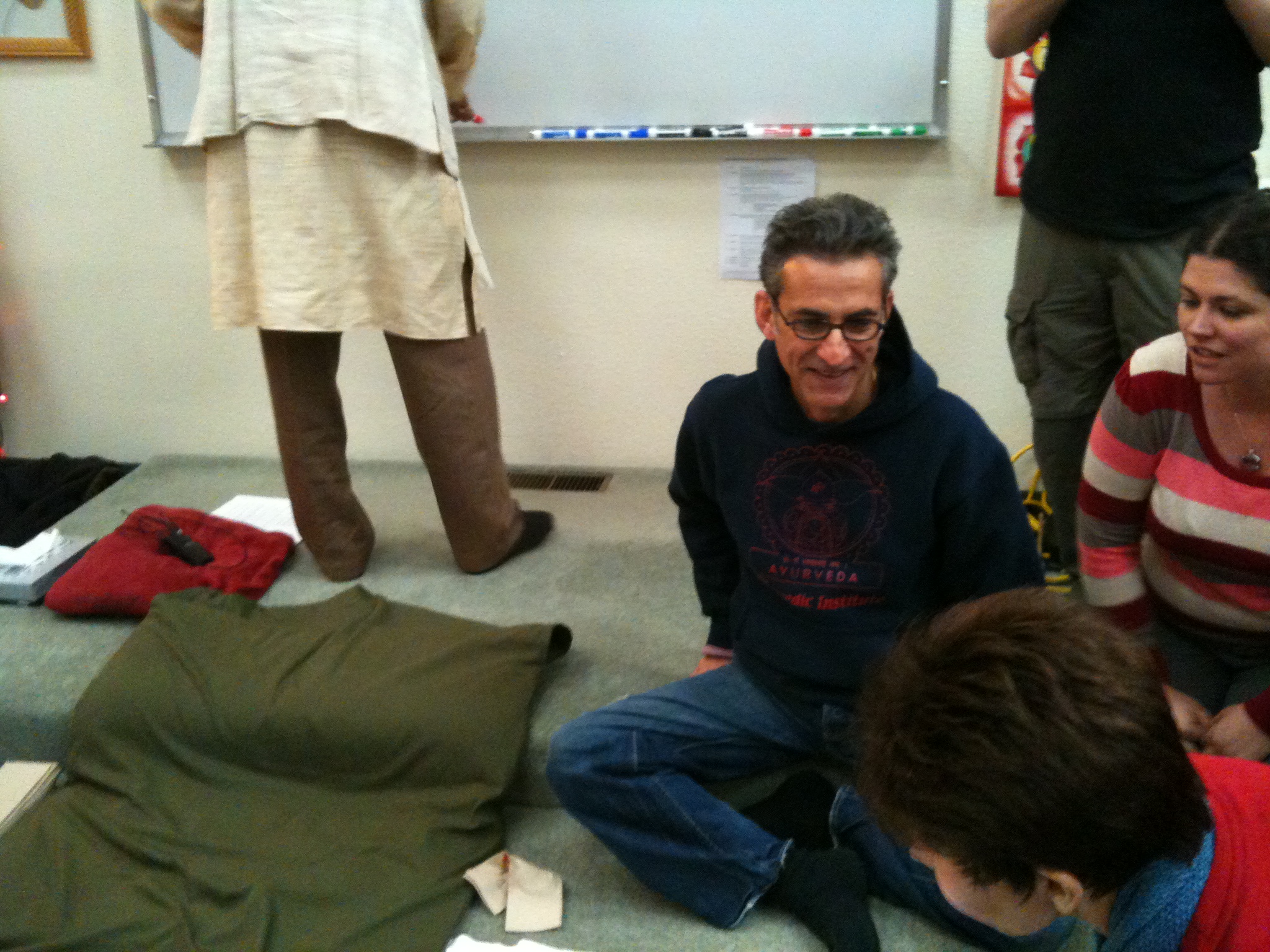
preparing for yantra & yagnya at Ayurvedic Institute
Through them, light is also being shone on the commonality of all Spiritual Disciplines, not just Vedic. I humbly seek to add my own voice…humbly yes, but also fully alive to the Truths that I have found in my own personal journeys and the way they have shaped it into accelerated mode.
There is beauty now in all my feelings…as one of these amazing new breed of seers has put it: instead of trying to feel better, I am starting to get better at feeling!
It is now my fervent belief that a new Buddha is arising, but to meet our own lightning speed connected world, it is not a He or a She but a Collective Consciousness Buddha: a joyous, innocent, creative Buddha: Svantantraye Buddham is the Being I see it as…may we all be a part of it!

At Sarnath...where the Buddha gave his first sermon
Starting on Sunday Feb 21, I will offer workshops on how this new paradigm correlates to the great Vedic Sciences. At them, together, we will practice these Truths experientially, ending often in a powerful Yantra/Mantra Meditation!

Sri Vidya Yantra Yagnya...
Below are the Fliers for the workshop as they happen: In the Light!
Sva: of the Self/Tantra: expansion & liberation.
Sunday February 21st: Dancing Shiva Yoga & Ayurveda
7466 Beverly Bl, Los Angeles (323) 934-8332: 2-5PM $30 by Feb 14/$35 after…

Sunday March 21st: Private Home in San Diego County: By invitation: Please contact Jutta Hecht at: juttamariah@gmail.com/ 760.580.2524:
SOLD OUT…WAITING LIST OPEN…
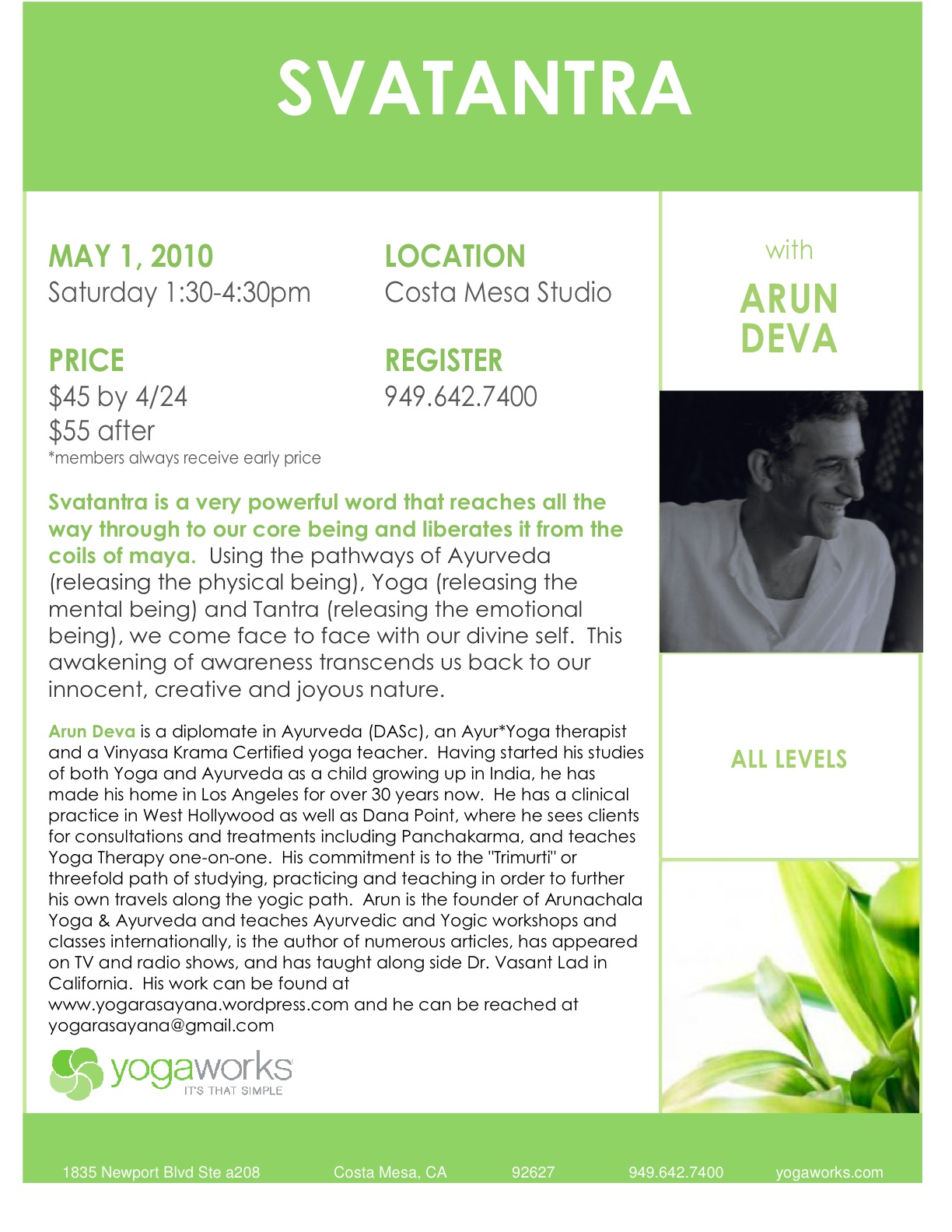
 May 1: Svatantra: Alchemy Of Consciousness: Yoga Works, Costa Mesa
Stay tuned for more in May, including Salt Lake City & Thousand Oaks!
Nature slips into a different season anywhere from 2 to 6 times a year, depending on where you live. For instance, India, the land of Ayurveda, experiences 6 seasons while much of California with its Mediterranean type climate has just two, a cool damp season and a warm and dry one.
When we talk about rtus, the different seasons that Nature wears like garments to a dance, we must first and foremost remember that there are only two solstices based on the adana and the visarga of the sun. Representing the two energies of Hot and Cold, the sun is either increasing in its power (adana) or decreasing its potentiality (visarga)
In traditional Vedic regimen, the great sage Atreya divided the six seasons accurately into the summer and winter solstices, three in each. From mid-March for two months each is the dewy season followed by spring and then summer. This northern solstice is considered debilitating because the increase of the heating principle results in an increase in the qualities of hot and dry, depleting the dhatus that are the structure of the body. It is true that at this time, our appetites diminish and the likelihood of wasting disease is higher. Because of the nature of the sun’s path, both sun and wind become strong and dry and take away all the cooling qualities of the earth. There is a predominance of the fire element and bitter, astringent and pungent tastes successively represent each two-month parts of this dance. The southern solstice follows with the rainy season, autumn and winter. The texts say that as the sun moves south, it releases its grip on people, surrendering its strength to the moon, thus cooling the earth by allowing clouds, rain and cold wind. Diseases at this time are those of over consumption and excess. The strength of all living beings increases and the immune system is fortified by a rising appetite and a strong digestion. Respectively the unctuous tastes of sour, salty and sweet begin to dominate, adding structure to the dhatus.
In this two-step dance of Nature who takes her cue from the Sun, as the source of all life, is revealed the spanda of our daily existence. Within this simple movement are all the intricacies of a classical Indian dance. Each little movement has resounding effects on the psyche, each little step creates a different physical posture and each season defines itself through the dominance of different emotions.
In Europe and North America, more temperate zones, the seasons resolve themselves into just the four we are familiar with: spring, summer, fall and winter, but the dance remains the same. Nature herself manifests through the mahabhutas or the five great elements of ether, air, fire, water and earth. Each element like a participant in a folk dance swirls around either inside or outside of us. If the earth and cold-water elements are increased around us as in winter, then the fire and air elements burrow deeper within us and a balance is found in the juxtaposition.
Because the five elements combine in twos to create the forces known as doshas, the seasons each require a different dosha to represent them. Like actors in a musical they take their turns on stage. In late autumn and early winter, vata with its cold, dry and declining energy prevails. Summer through early autumn is the time of pitta and heat. Spring, from mid-March through mid-June, is the time of kapha as the water element liquefies and flows out of the grip of winter.
Nature has created the parameters of time, space, cause and effect within which the doshas play. The seasons are the different stage settings for their dance.
 In spring kapha takes its cue while pitta waits offstage gathering its forces. As kapha steps on, it imbues the season with its qualities. With the help of the rising sun the water element is liquefied and a time of growth and new potential gives rise to the unfurling of fresh leaves and dormant seeds germinating. Because in winter kapha had accumulated its cold, wet, fluid, heavy and cohesive qualities, it now thaws within us just as it does without. We can be subject to an overflow of our own similar to spring floods from overflowing rivers, thus we become susceptible to colds, allergies and hay fever. Spring therefore represents a time of cleansing and restoring. Ayurveda recommends that we wake up earlier, that we gargle with salt water, do dry lymphatic massages after oiling with sesame oil, take saunas or hot water baths (always cool water on the face), drink tulsi, ginger and lemon teas, practice neti and nasya and perhaps do a jaladhauti (yogic emesis), practice vigorous yoga or other physical exercise and eat lighter foods rich in vegetables. Emphasize the bitter, pungent and astringent flavors found in light grains like rice, quinoa, barley and corn as well as pulses such as lentils, aduki beans and chickpeas. If you eat meat, choose drier fare like turkey, chicken, shrimp and venison. Spring is the time to seek the company of friends and a time in which the eye turns to beauty and feelings of exuberance for the colors that flourish. Adorning yourself in brighter colors and furnishing your home and perhaps adorning yourself with scented flowers will bring joy to the heart and romance to your dance.
 Summer is when the sun is at its zenith and the element of fire is increased. The accumulating warmth, dryness and lightness indicate that it is time for pitta to take center stage. Having pacified the aggravated kapha of spring with the above countermeasures, it can now be safely escorted offstage and our new dance with pitta begins. Because of the increase in external environmental heat, our own digestive fire is drawn outwards and our digestion is impaired causing a further lack in appetite and a desire for cooler fare. As the heat moves to the skin we can experience summer rashes, prickly heat and other inflammations, while internally diarrhea and ulcers may manifest. Emotionally anger, irritation and impatience may also increase. Therefore summer is a time of placating pitta. Because of the intensity of pitta it is very important to watch out for judgmental behavior and to focus on viveka and vairagya, the qualities of discernment and detachment. Start the day with splashing cold water on your face to both cool as well as stimulate the positive aspect of pitta’s inherent intelligence. Your massage should be with cooler oils like coconut and sandalwood, followed by a lukewarm bath. Drinking sweetened cool drinks like lemonades and coconut or sugar cane water keeps the system from overheating. Your yoga practice should emphasize twists and supine backbends as well as cooling pranayamas such as shitali or shitakari. Pitta locales such as the liver and small intestine are especially susceptible to inflammation and so foods should be cool, bitter, sweet and astringent. Leafy green vegetables, salads, organic almond milks, sprouted or split mung beans are some good food choices. Homemade ice cream in the midday sun will be welcomed by the system as well as the taste buds! An occasional fruit juice fast and a mild purgation will all help to keep you balanced. It is important to note that while pitta is in its full dramatic expression, vata, the dosha of movement has been eagerly and somewhat nervously been marshalling its forces just behind the curtains and as soon as autumn begins to seep into the air, it is time to escort pitta off and take a deep breath and ground yourself!
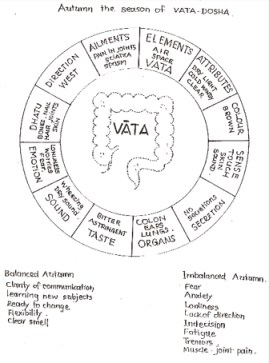 Vata is the dosha of autumn and early winter. Lightness and coolness increase while dryness stays around a little longer. The “winds of change” signifying the erratic aspects of vata begin to blow. As vata regulates the nervous system, our digestive ability, moisture levels and stress levels can easily be disturbed. Aches and pains and even arthritis may rear their ugly heads. Nervousness may also impair our ability to form rational thought patterns and cause our imaginations to soar. Controlling vata’s impetuous nature is a dance that has the greatest significance. Not for nothing is vata called the “mischief maker”. Because it is the only dosha that is not lame, it causes the most diseases and misjudgments through its unpredictable mobility. Fortunately the remedies and counter movements of your dance are all very satisfying. This is the time to oil well the whole body, especially the soles of the feet before bed, to give a restful and deep sleep. Since it is natural for vata to wake early, take advantage of this early morning time to get some work done. But first ground yourself by drinking some triphala powder to prevent constipation. Holding warm sesame oil in the mouth for a few minutes will nourish the gums and teeth. Exercise should be more grounding with slower standing yoga sequences, deep forward bends, balance poses, “topsy-turvy” poses, as well as alternate nostril pranayama. Because vata is light, dry, cool and erratic, your diet should emphasize sweet, mildly spicy, sour and salty tastes. This is a time for oats, porridges, kichadis, steamed vegetables and warm herbal teas with either pure cows’ milk, almond or soymilk, all mildly spiced with ginger and cinnamon. Autumn is also a time to create a seasonal cleanse in anticipation of the upcoming winter months when vata and kapha both take center stage.
In winter the stage is shared by both vata and kapha, with vata dominating the early part later followed by kapha. During this time, the Earth’s energy is withdrawn back into herself. This is a time of storing and rest. Squirrels hoard acorns and bears hibernate. A time to be internalized, we can use it well to fortify ourselves because the exterior cold forces our digestive fire to instinctively retreat within. At this time, waking a little later is recommended as is brushing your teeth with some stimulating tooth powder. Massage of warm oils can unfreeze your muscles and a vigorous towel rub after your shower is also enlivening. Drinking warm water decreases kapha accumulation as well as assists the digestive system. Your yoga practice gets stronger and more energetic as vata recedes backstage. Include strong back and forward bends to stimulate the kidneys and lungs. Vigorous sun salutations warm the body and deepen the breath. Follow your practice with some bhastrika or bellows pranayama. Applying nasya oil after practice can help dissolve excess kapha build up in the head. Because the internal agni, digestive fire, is burning strongly within, if we do not feed it well it will consume the tissues of the body. This is indeed the time to build these tissues and thus our strength and immunity; therefore this is the time to indulge healthily in the three fortifying tastes of sweet, salty, sour as well as slightly spicy. Warm foods include porridges of oats, polenta, barley or rice spiced with cinnamon and cloves and sweetened with raw honey. The Ashtanga Hrdayam recommends meat soups, whole pure wheat, black gram pulses and corn. A glass of dry and warming wine may encourage circulation and stimulate digestion. The famous chyavanprash is best used in this season for its rejuvenating powers. Although you may work hard in the day, the evenings should be spent in a relaxed manner and the texts recommend staying indoors at night while winter is one of the best seasons for lovemaking. Ending the day with a glass of hot, spicy organic milk helps promote a sound sleep. As the season draws to a close, we come full cycle back to a time of renewal as the receding cold allows the slumbering earth to stretch open to the rays of the returning sun and the trees blossom with flowers and the land is infused with their heady perfumes.
It is most important to give due respect to this sandhi or “joint” between seasons. The fortnight comprising the end and commencement of seasons is known as rtusandhi and is a crucial time. It is in this sandhi that diseases most often arise. During this period, the regimen of the preceding season should be discontinued gradually over seven days and over the next seven that of the succeeding season should be also gradually adopted. Sudden discontinuation or sudden adoption causes loss of habituation and this makes us susceptible to seasonal or worse diseases. The sandhi is also a favorable time for incorporating the unique healing powers of panchakarma. The crown jewel of Ayurveda, this five pronged cleanse and rejuvenation removes toxins, palliates aggravated doshas, clears the various srotamsi (channels of the body and mind) as well as rebuilds a taxed digestive fire.
In the dance of life, if we make Nature our partner, our internal rhythms can easily follow an eternal rhythm, that of our own Universe. Although Ayurveda recommends creating sustainable habituations through dinacharya (daily routines), we must always mindfully create the flexibility of following the lead of our first partner, Nature Herself, as she changes seasons to reveal the myriad expressions possible in our world. In this play of life, the intimacy of a tango, the instinctive discipline of a waltz, the structure of Bharatnatyam, the classical dance of India, the joy of the samba, all have their time and place. Ayurveda says that when our own nature (prakrti) is in sync with the rhythms of the eternal Prakrti, Nature, as she expresses them through the seasons, we maintain well the life force, health and longevity necessary to accomplish the lofty goals of dharma, artha, kama and moksha: correct living leading to correct wealth and the discipline and ability to enjoy life without attachment so as to seek emancipation as our final goal. Just as in all dances, we must disappear finally as individual beings into one wild dancing dervish disappearing into the spirit of the Divine.
References:
Astanga Hradayam of Vagbhata. Translated by Prof. K. R. Murthy (Chaukambha Krishnadas Academy)
The Legacy Of Charaka by M. S. Valiathan (Orient Longman)
Ayurvedic Medicine by Sebastian Pole (Churchill Livingstone, Elsevier)
Dr. Vasant Lad: Lectures and notes
American Institute of Vedic Studies: Ayurvedic Healing Course Part II by Dr. David Frawley)
Ayurveda: The Science Of Self-Healing by Dr. Vasant Lad
Lessons and Lectures on Ayurveda by Dr. Robert Svoboda
Ayurveda Institute of America: Study Course
Awakening Nature’s Healing Intelligence by Hari Sharma, MD (Lotus Press)
Ayurveda and Panchakarma by Sunil Joshi (Lotus Press)
Patanjali and Ayurvedic Yoga by Vinod Verma (Motilal Banarsidas)
A Life Of Balance by Maya Tiwari (Healing Arts Press)
The Hidden Secret of Ayurveda by Dr. Robert Svoboda (Ayurvedic Press)
The Ayurvedic Cookbook by Amadea Morningstar and Urmila Desai (Lotus Press)
Ayurvedic Cooking For Self-Healing by Usha Lad and Dr. Vasant Lad (Ayurvedic Press)
Arun Deva © 2007
 Arunachala Yoga & Ayurveda